
TAILOR-FREE
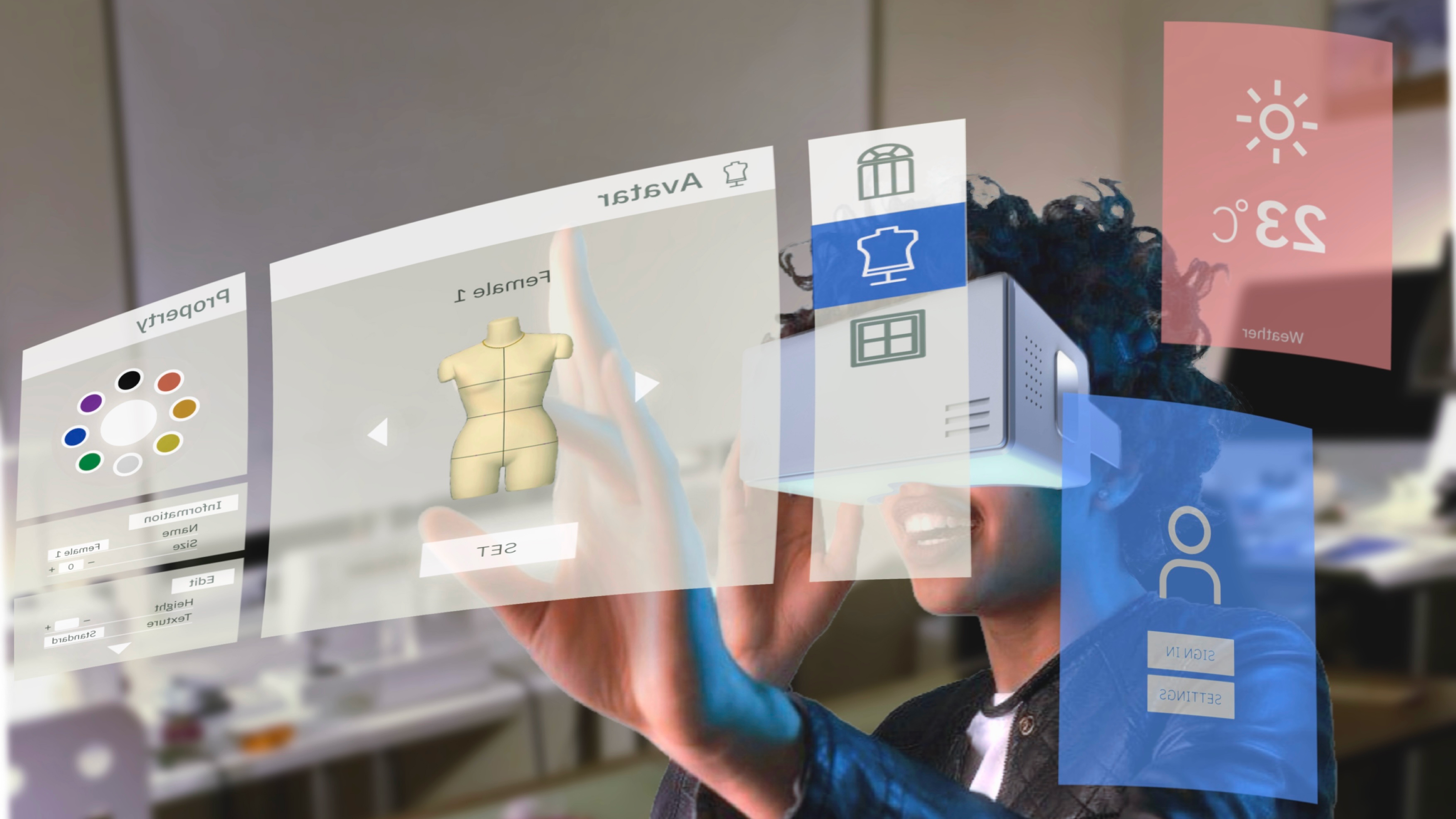
A VR-based fashion design system developed in collaboration with IBM, exploring how draping can be reimagined within a broader design ecosystem.
ROLE
Student Designer
DOMAIN
VR Design
UI/UX Design
Industrial Design
Design Research
TOOLS
Unity
Adobe AI/PS
Rhino
Keyshot
CLO 3D
TIMELINE
2022
3 months
CONTEXT
A disconnect within the fashion ecosystem
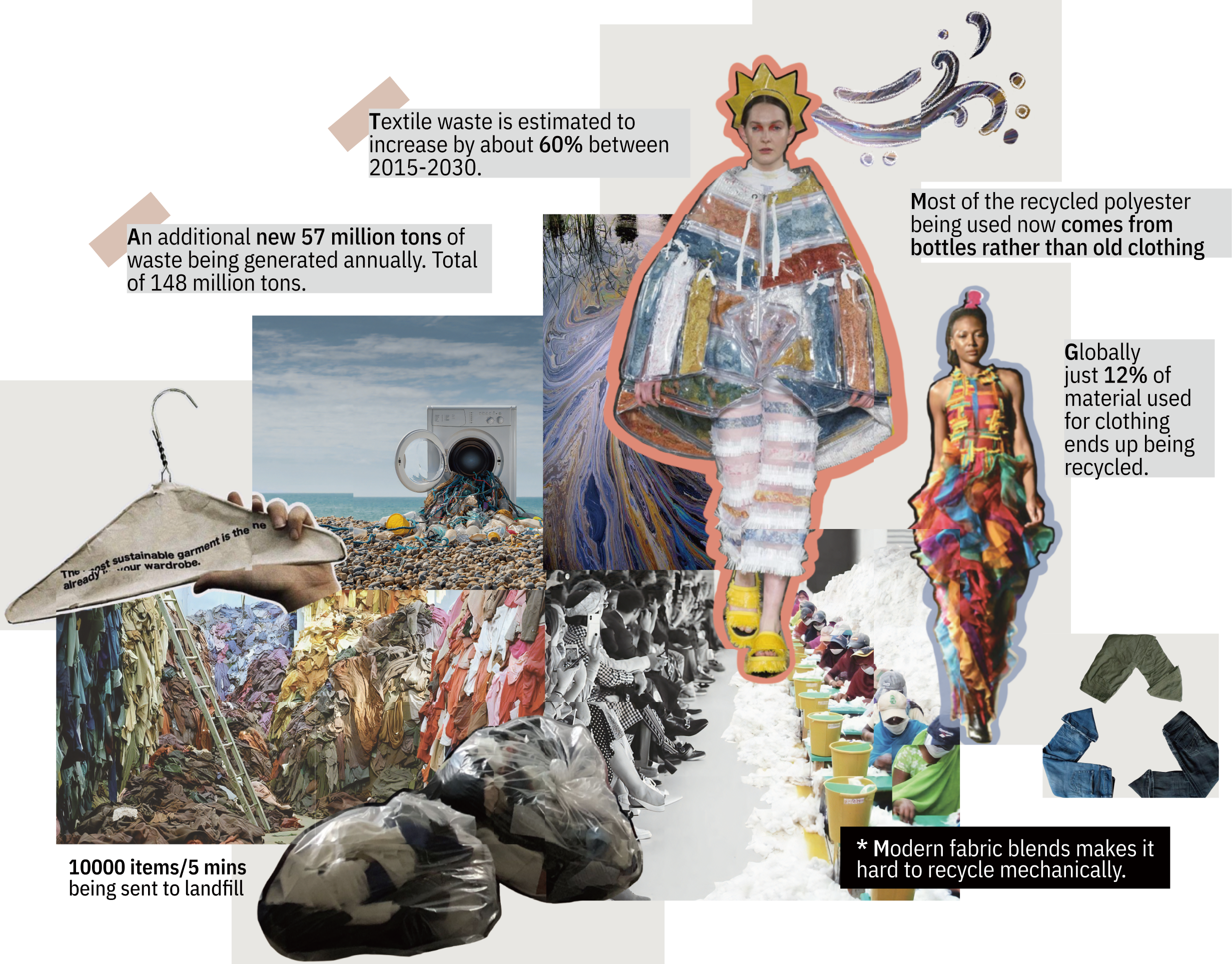
Fashion is rapidly evolving toward sustainability and digitalization, but its creative core remains unchanged. Early-stage design still relies on physical, iterative, and material-intensive processes, making waste not a side effect, but a built-in part of the system.
PROBLEM
Creation in fashion depends on disposable making
Fashion thrives on continuously creating new looks. But in practice, creation itself depends on a disposable phase. Through conversations with fashion students, one stage stood out as the most waste-intensive.
Draping is where ideas are discovered, but also where material becomes most expendable. Fabric like calico is used to explore and define form, but once the design is set, it is replaced by final garment materials. It’s essential to creation, but never part of the final outcome.
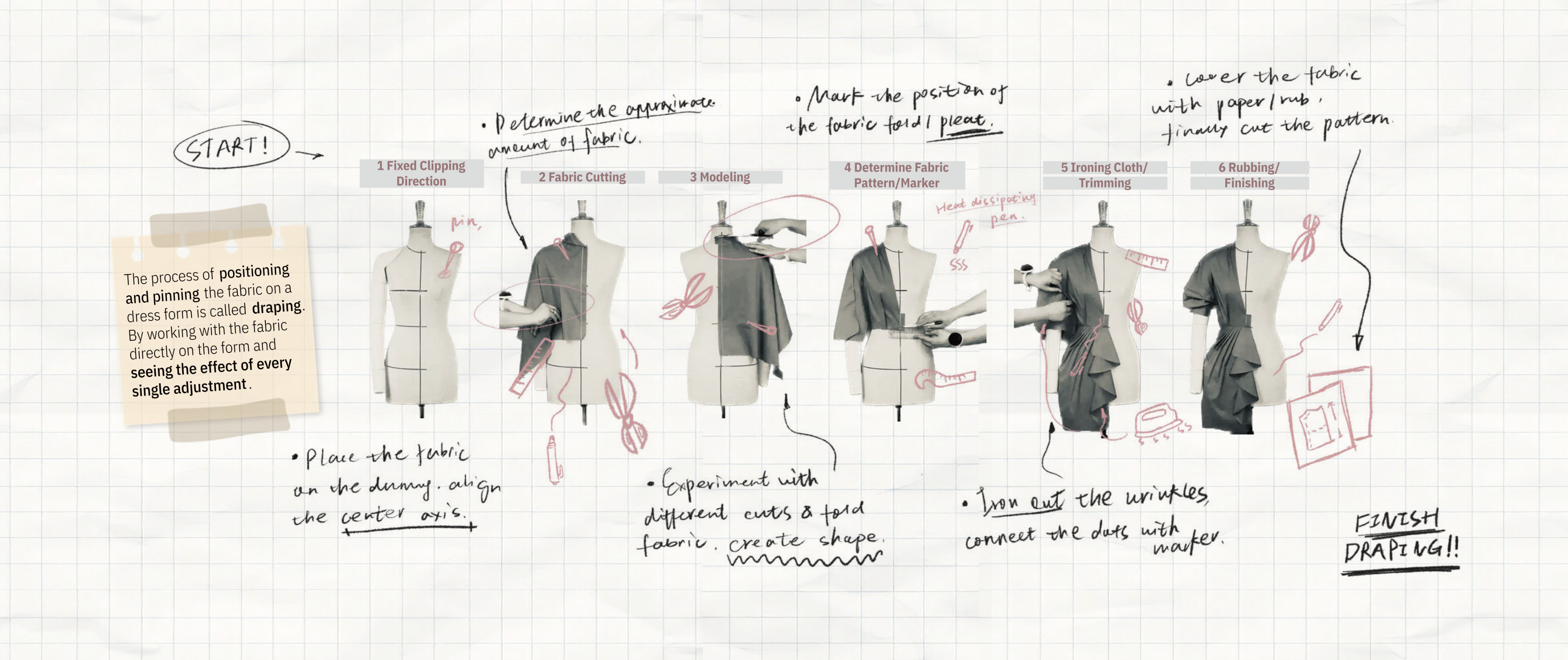
Draping as a Process of Exploration
RESEARCH
Observing Draping in Practice
I interviewed fashion students and documented their draping processes to understand how they create and where waste occurs.
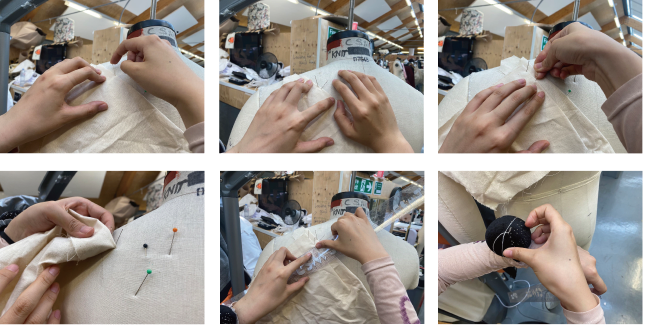
When asked about alternatives, designers frequently mentioned tools like CLO3D.
Comparing Physical and Digital Workflows
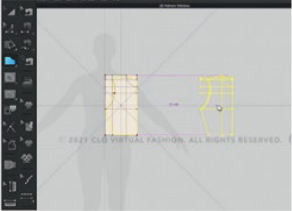
CLO3D is one of the most widely used digital tools in fashion design, but it is rarely used for early-stage draping.
To understand why, I compared physical and digital workflows. Draping enables direct, intuitive interaction with material, while digital tools require navigating structured operations. This comparison reveals a deeper issue in how digital tools are structured for creation.


Physical Draping (Action-Based)


Cutting
Calico


Determine
Pattern


Garment
Making


Draping

The calico
pattern will not
be used again

Large amount
of leftover
trimmings
Repeated
attempts at
styling clothing

Final design
using expensive
new fabrics for
ready-to-wear

Multiple Repeat
Processes

Low Utilization
of Materials


High Fault
Tolerance

High Demand
for Materials


CLO3D Workflow (Tool-Based)
Draw 2D
Pattern
Stitch 2D
Pattern
Drag to the
3D Avatar
Edit 3D
Pattern


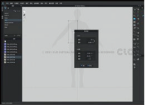
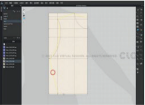
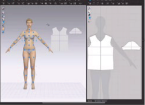
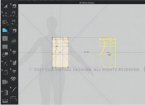


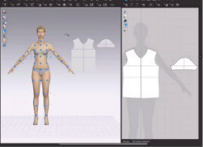
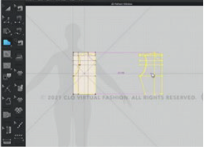
Complex interface and Unclear user flow

Lack of immersion and physical feedback
Deconstructing CLO3D
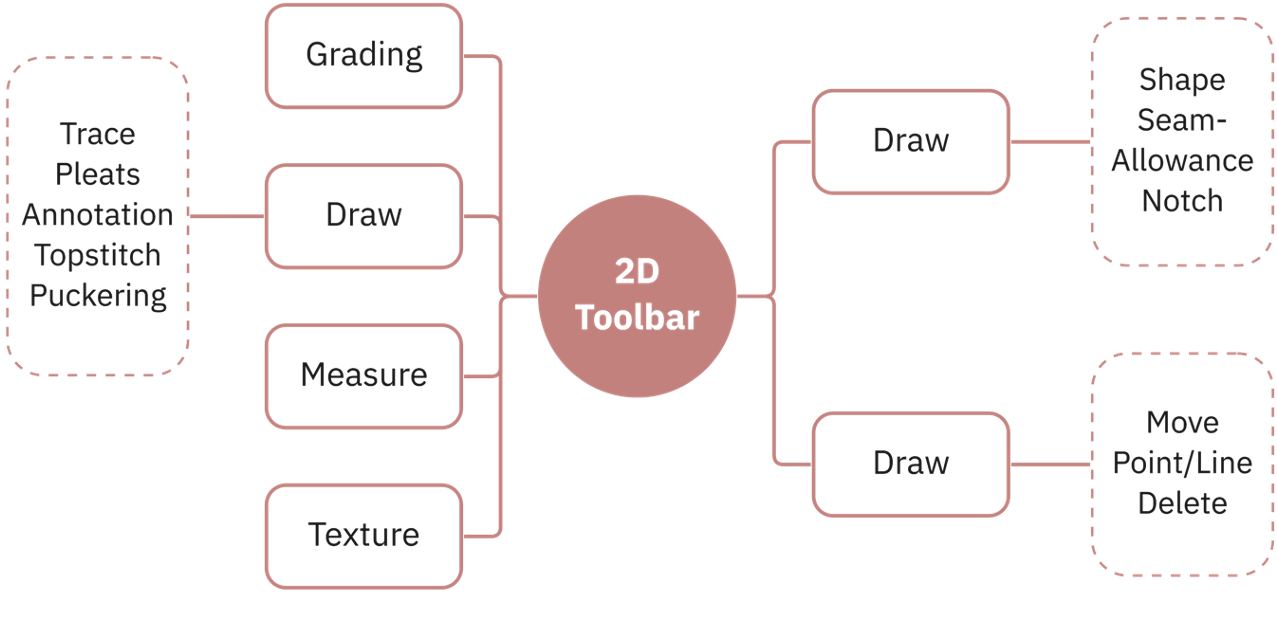
To better understand this gap, I deconstructed the interaction system of CLO3D, mapped out its tools, workflows, and user interactions to understand where the experience breaks down.
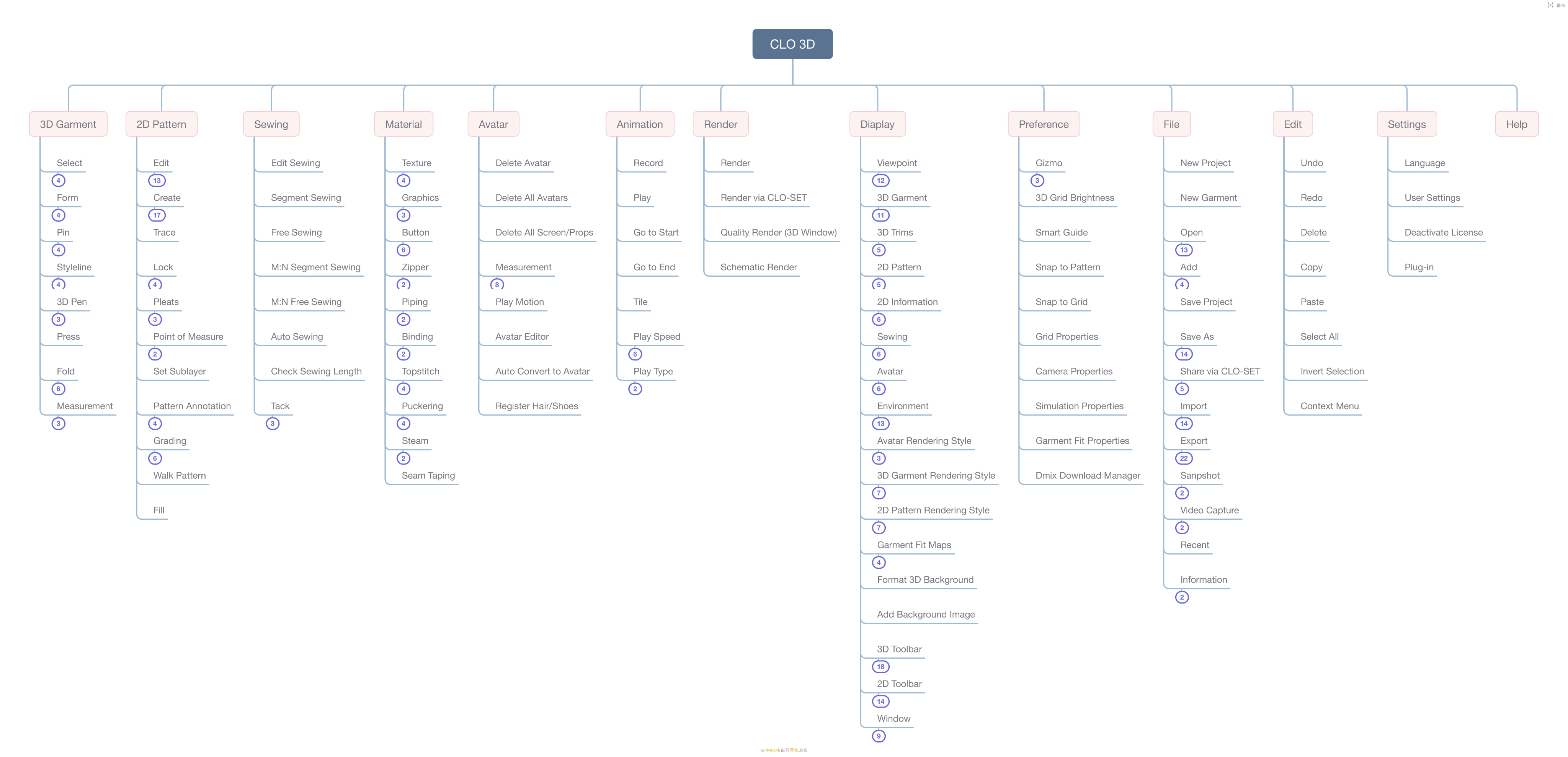
The system adds unnecessary complexity, with overlapping tools, repeated actions, and time-consuming workflows. Designers must adapt to it, rather than it supporting them.
INSIGHTS
Designers think through actions, but digital tools are built around tools.
Current systems require designers to adapt to interfaces, instead of supporting how they naturally create.
DESIGN DIRECTION
Instead of designing another tool, I redesigned the system around actions.
This means rethinking draping as an action-driven process, preserving its immersive nature, reducing material waste, and simplifying how designers create.
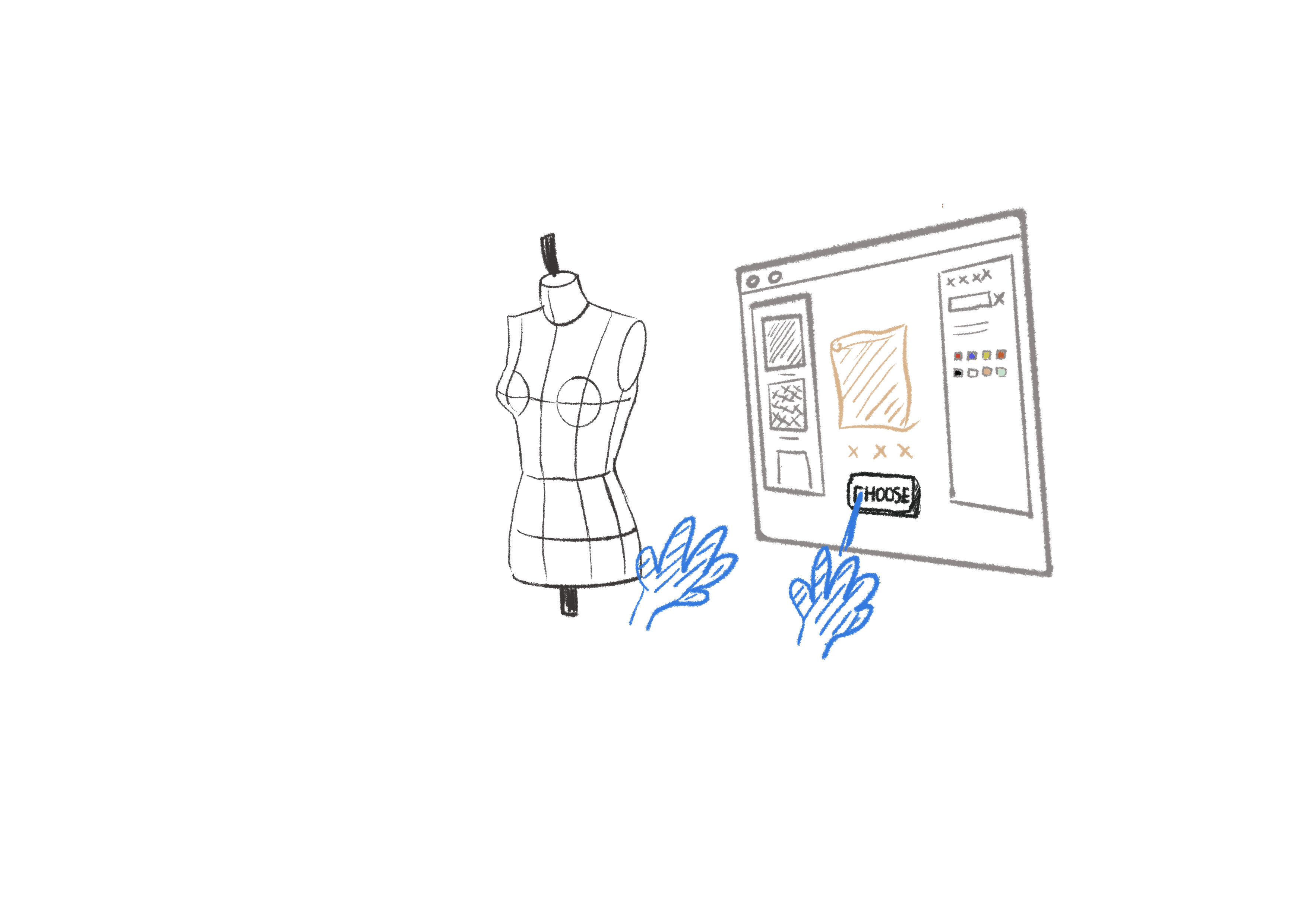

Workflow & Interface

+

Gesture Interaction

+

Immersive Environment
SOLUTION
Designing through gestures, not tools.
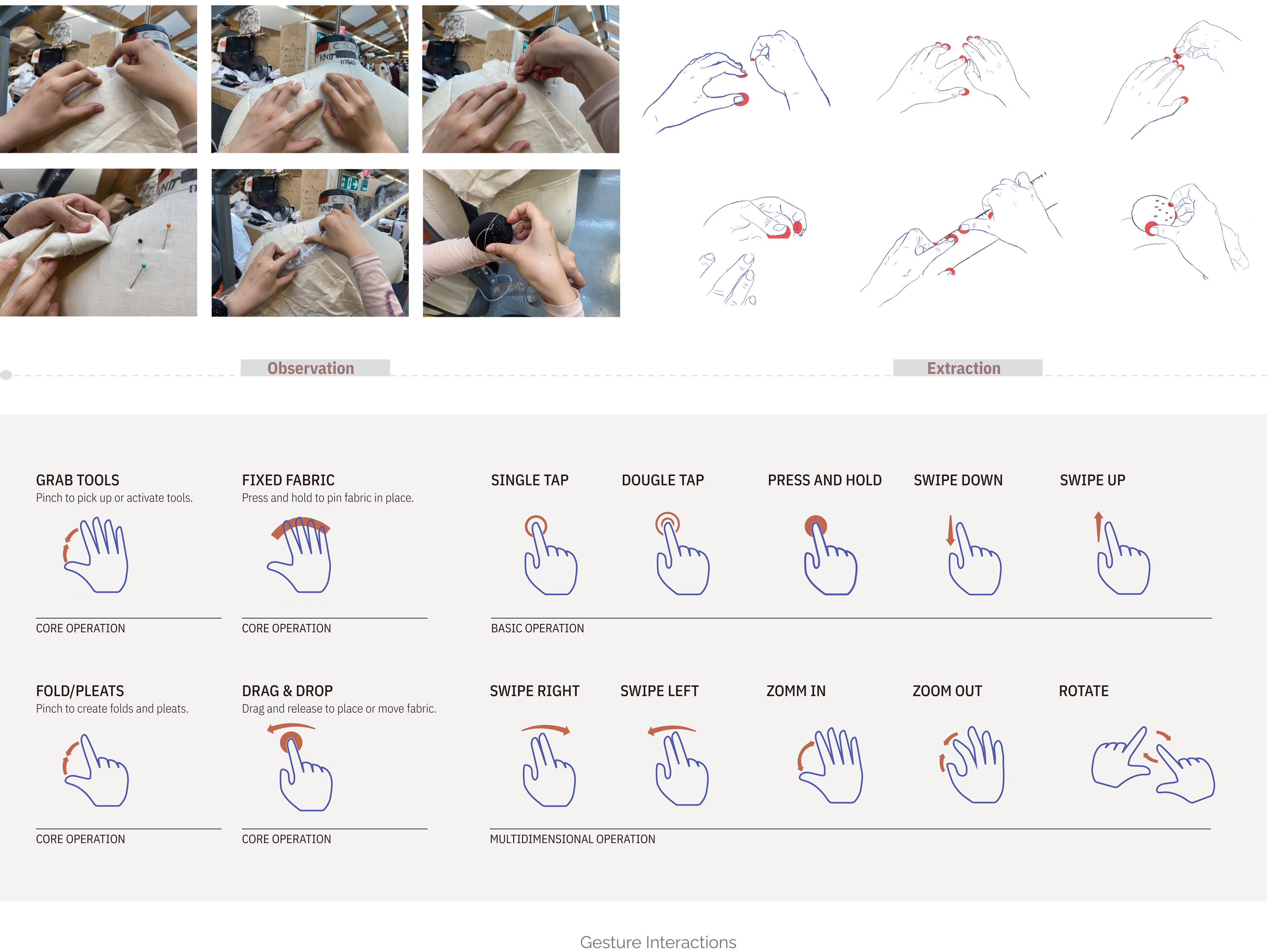
Draping is translated into a set of direct hand-based actions, such as grabbing, pulling, pinning, and adjusting—allowing designers to interact with fabric in a continuous and embodied way.
Within a virtual environment, these gestures enable a more natural and fluid interaction without relying on menus or tools.
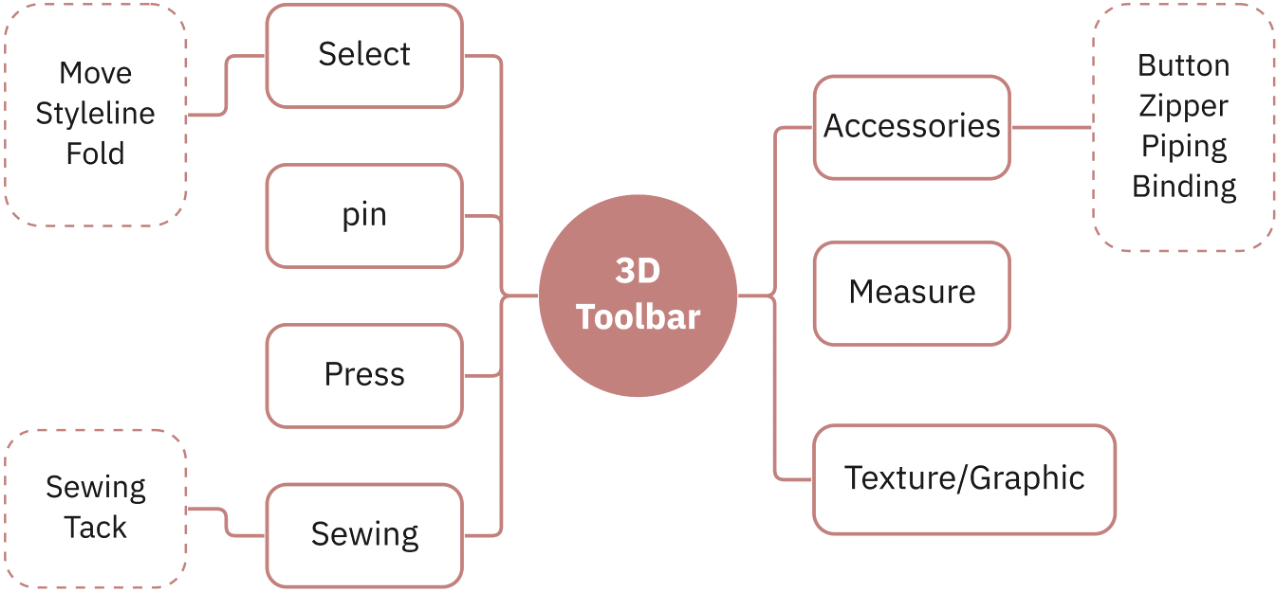
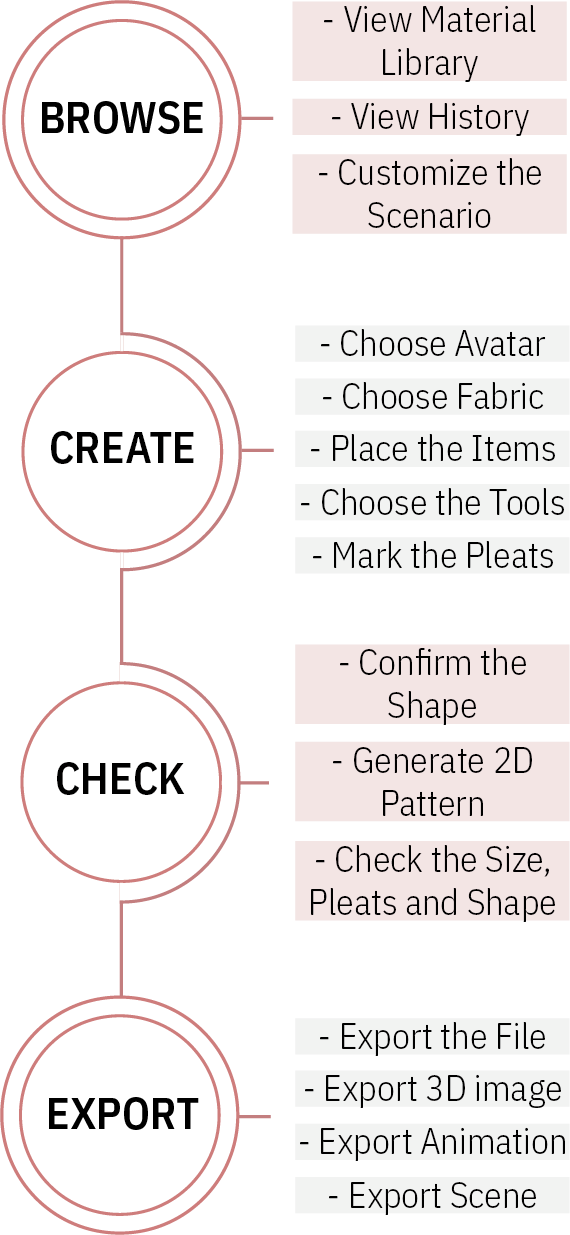
From fragmented steps to a continuous flow.
The workflow is simplified and restructured around actions, reducing fragmented steps and removing the need for complex tool navigation.
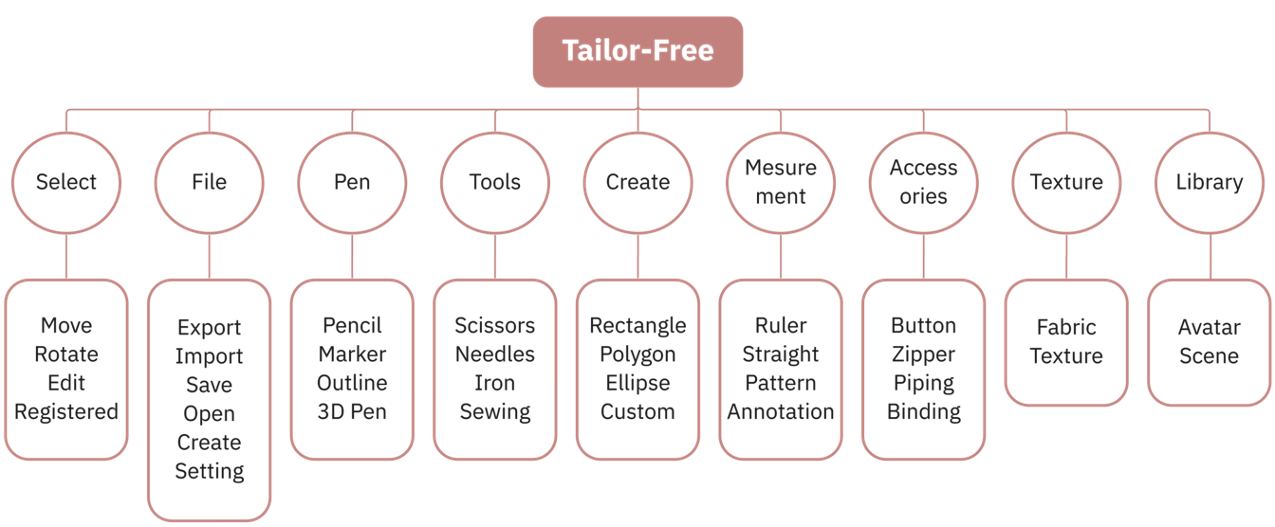
User Flow
Simplified Information Architecture
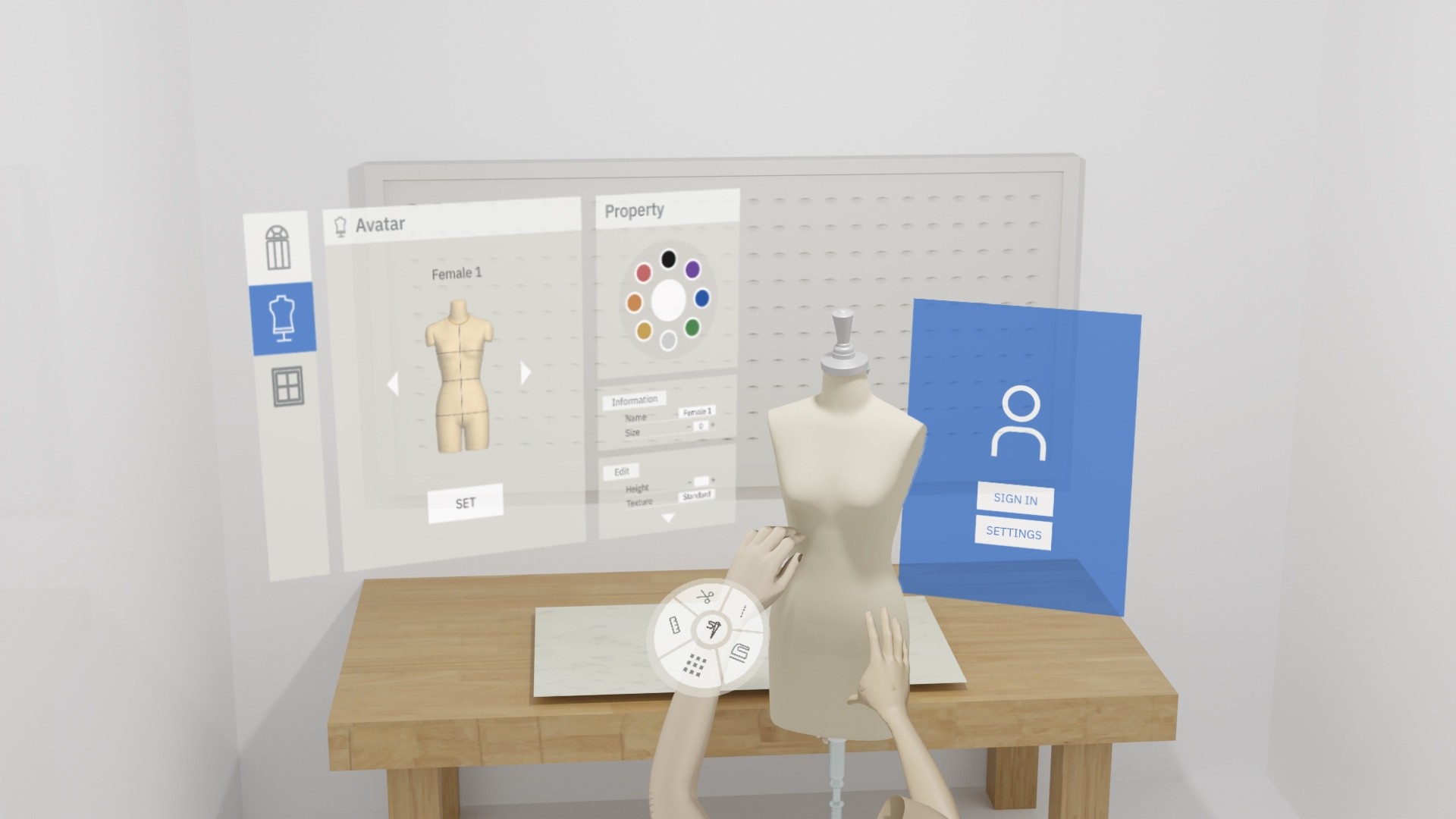
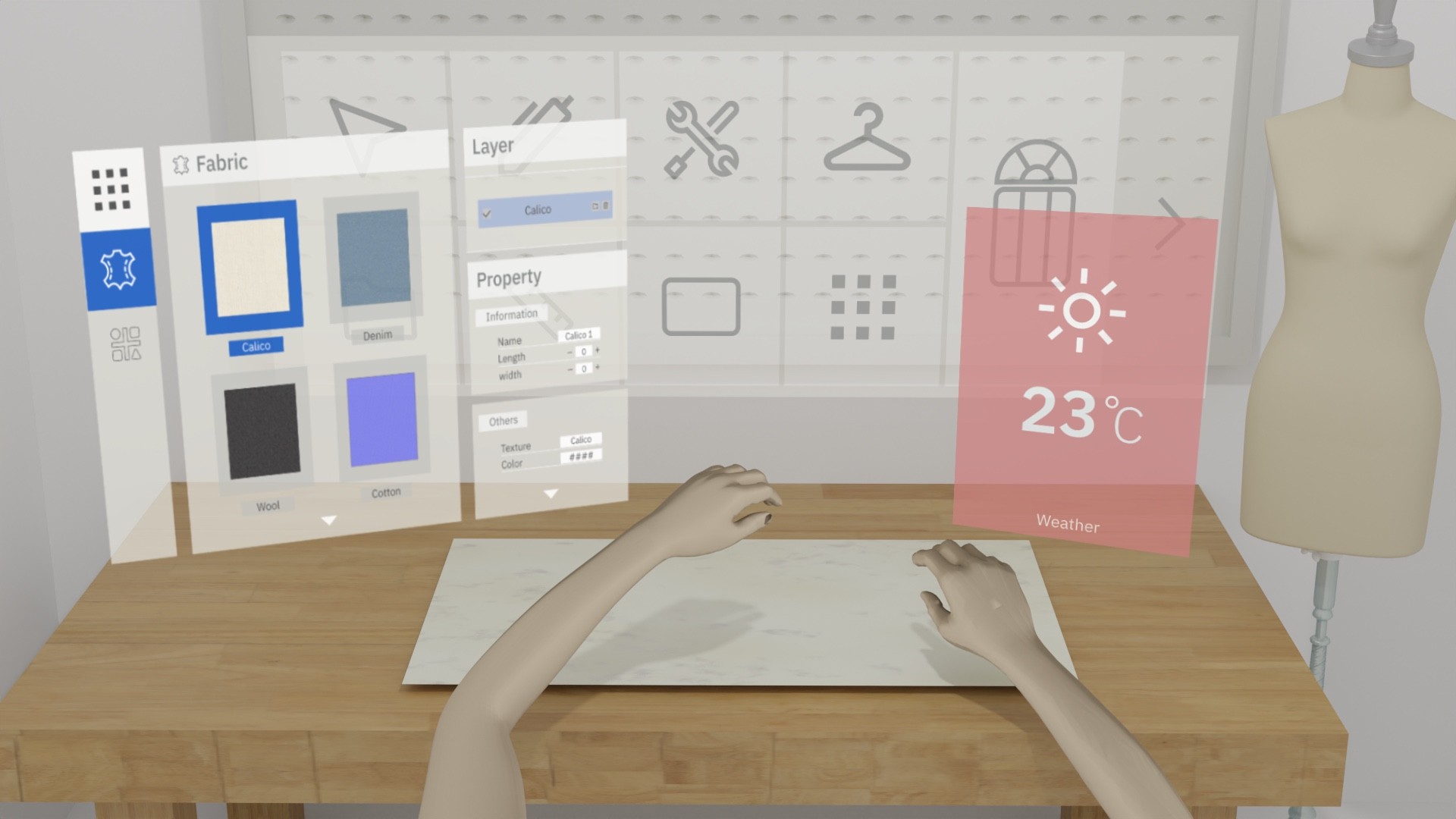
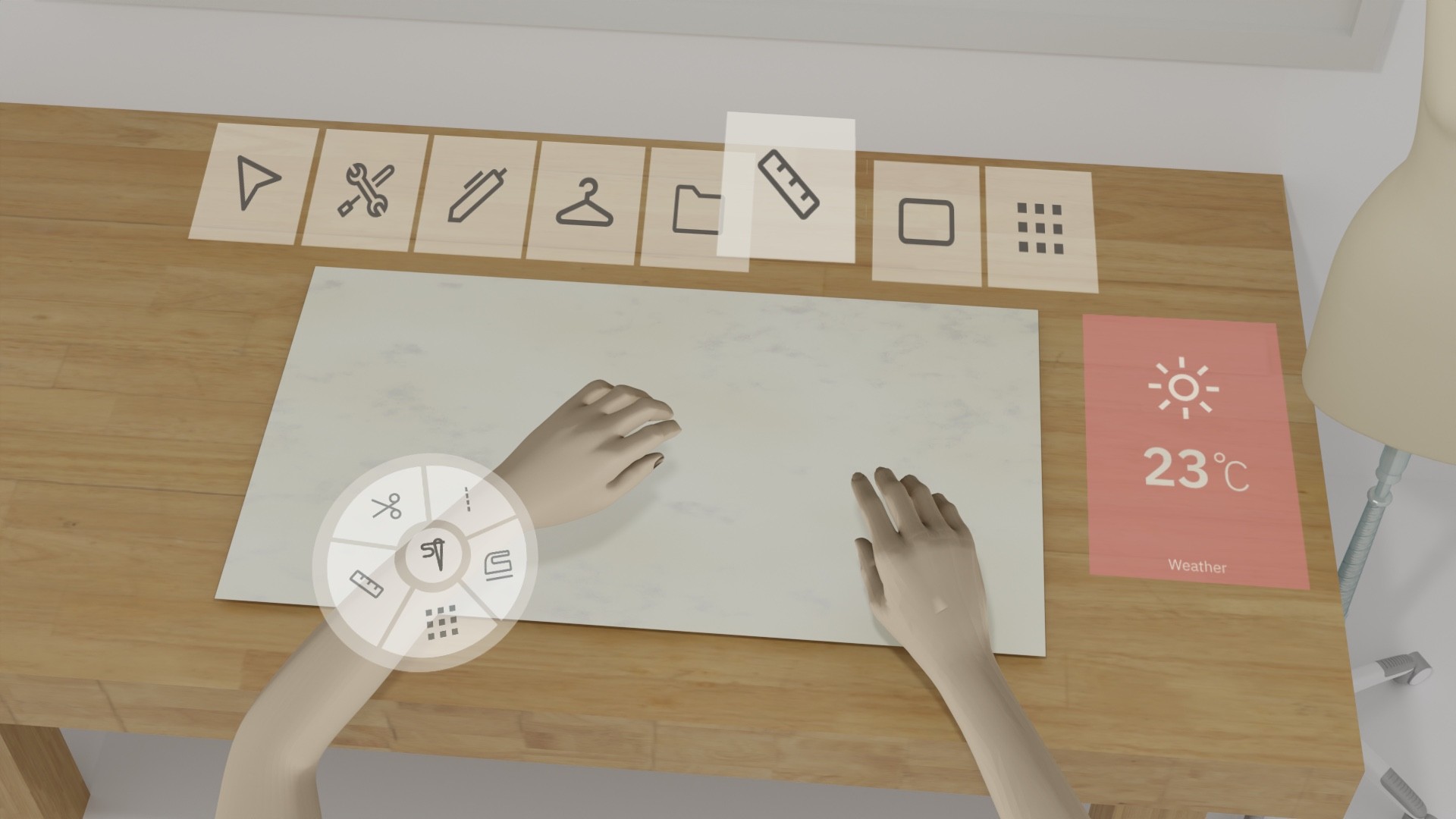
Based on this structure, the interface is designed within a virtual environment, translating the workflow into a clear and spatial UI system that aligns with IBM’s design language.
Tailor-Free System Interface
Bringing back the spatial experience of draping
By placing the interaction in a virtual environment, designers can move around the form, view garments from different angles, and work in a way that mirrors physical draping. Design happens around the body, not through a screen.
IMPACT & TAKEAWAYS
🌟🌟🌟Recognized with AAA Accessibility by IBM!
The project received the highest accessibility rating, reflecting how clearly the system supports user interaction.
- Understanding How Products Work. I broke down CLO3D step by step, from its tools to how everything connects. It helped me understand how complex products are actually put together, and made my own decisions much clearer.
- Designing Within a Larger System. Working with IBM made me realize design isn’t just about one piece. It’s part of a larger system, where tools, assets, and workflows all connect.
- Exploring New Ways of Interaction. This was my first time working with VR. It brought together software, hardware, and real-time interaction, which pushed me to think more carefully about how my design actually works, whether it makes sense and whether it can be built.
Appendix — Supporting Materials
System & Technical Setup
The system is built using existing tools to support real-time gesture interaction in a virtual environment.

- System Infrastructure


Data Management
VR soft
wa
re development requires a tool
Software Development Kits (SDKs)
.
to manage all types of digital assets, and
ef
fi
ciently store iterations

- Gesture Recognition
Leap Motion
Game Development
An optical hand tracking module that
Engines
captures the movements of your hands.



+
Motion-to-photon latency below the human perception threshold
Robust and reliable skeletal model
Content Creation
- Data Management
Hardware Exploration
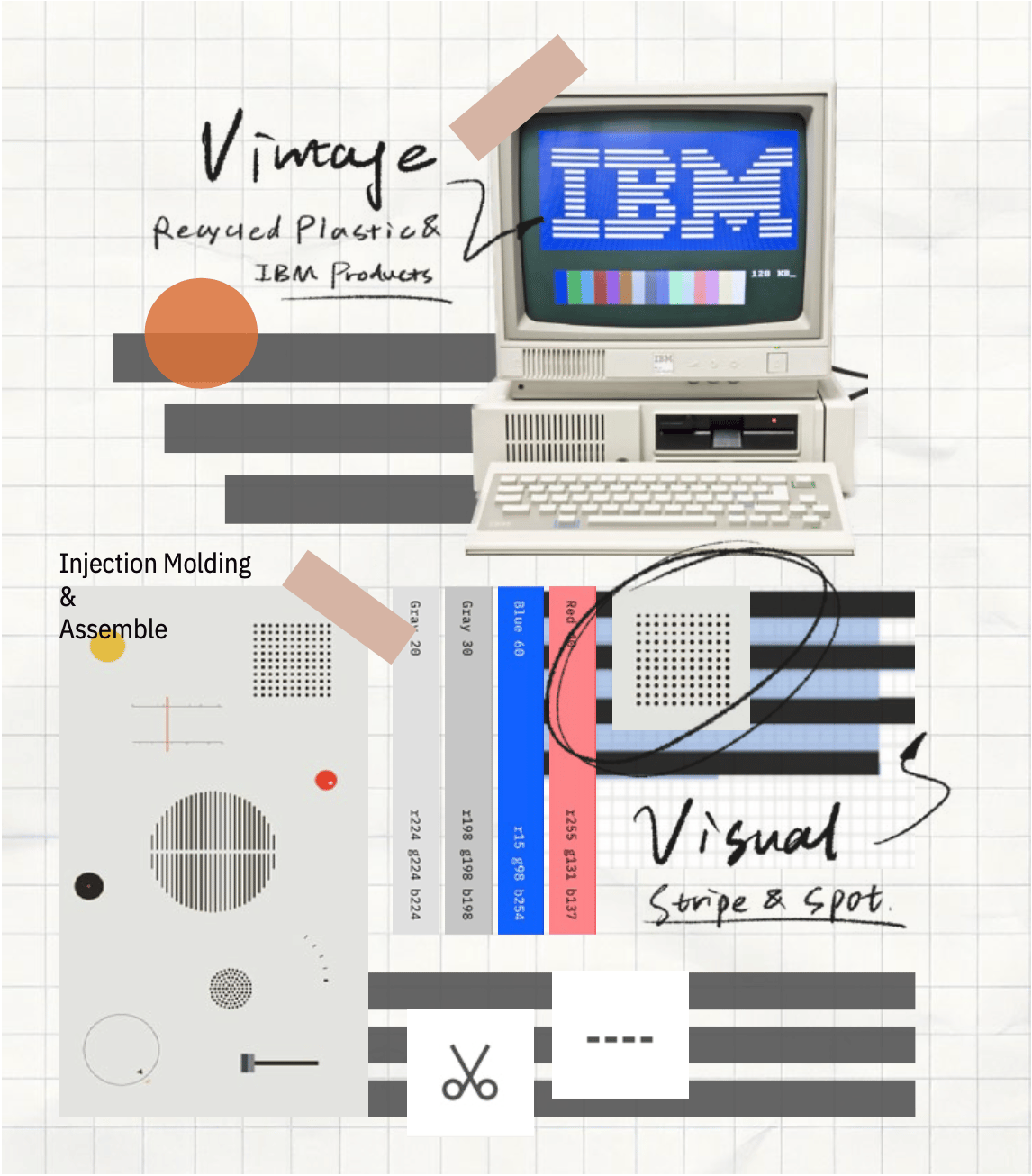
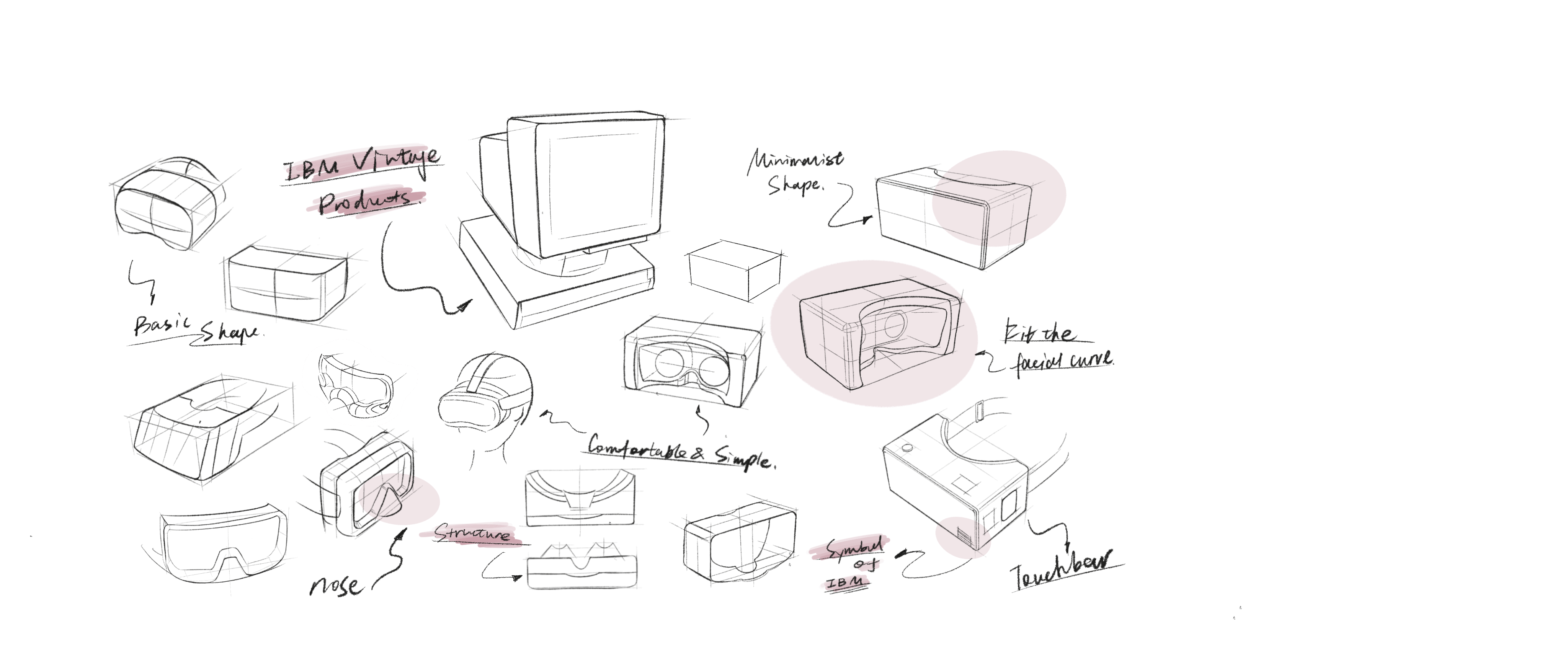
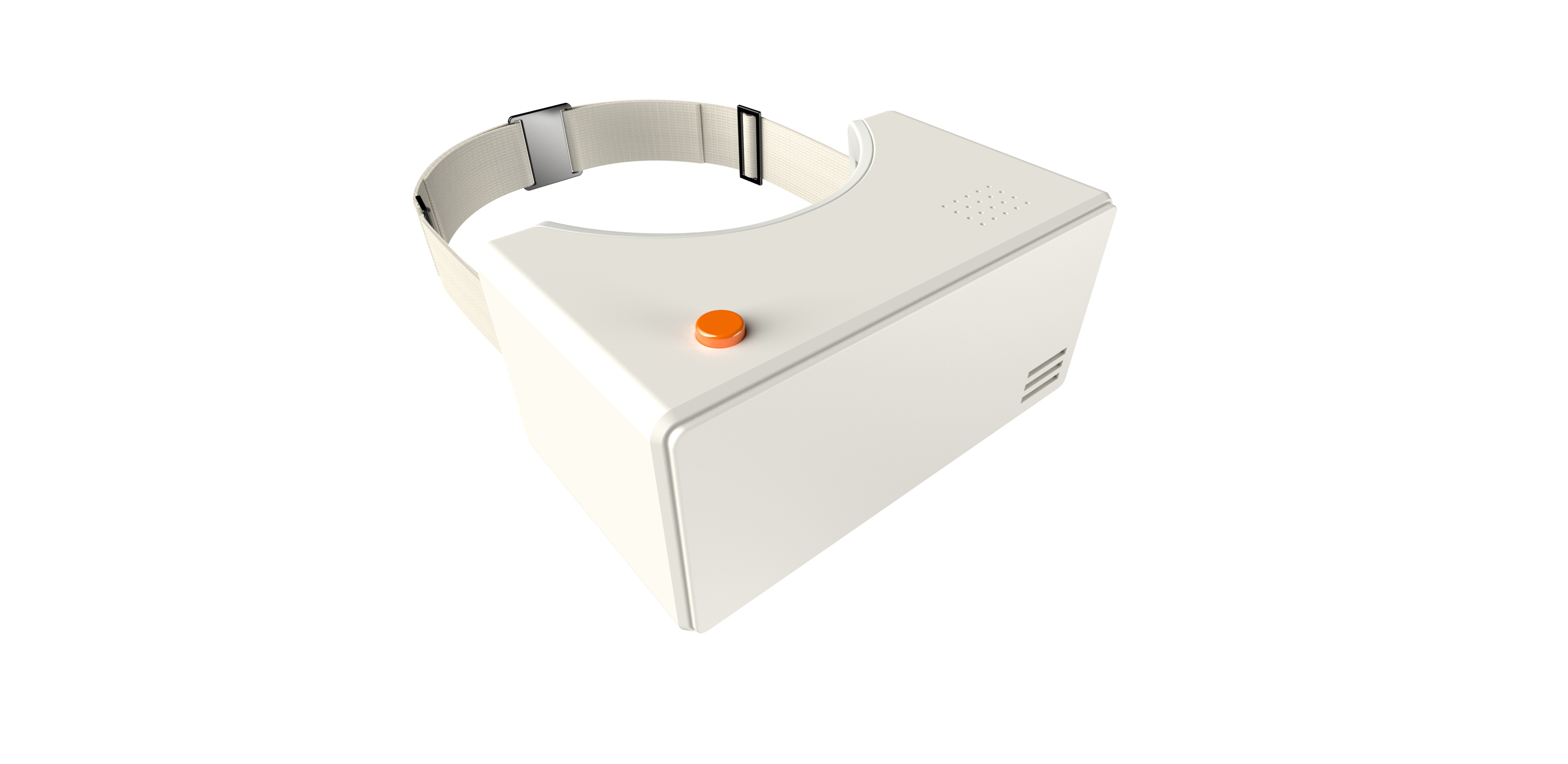
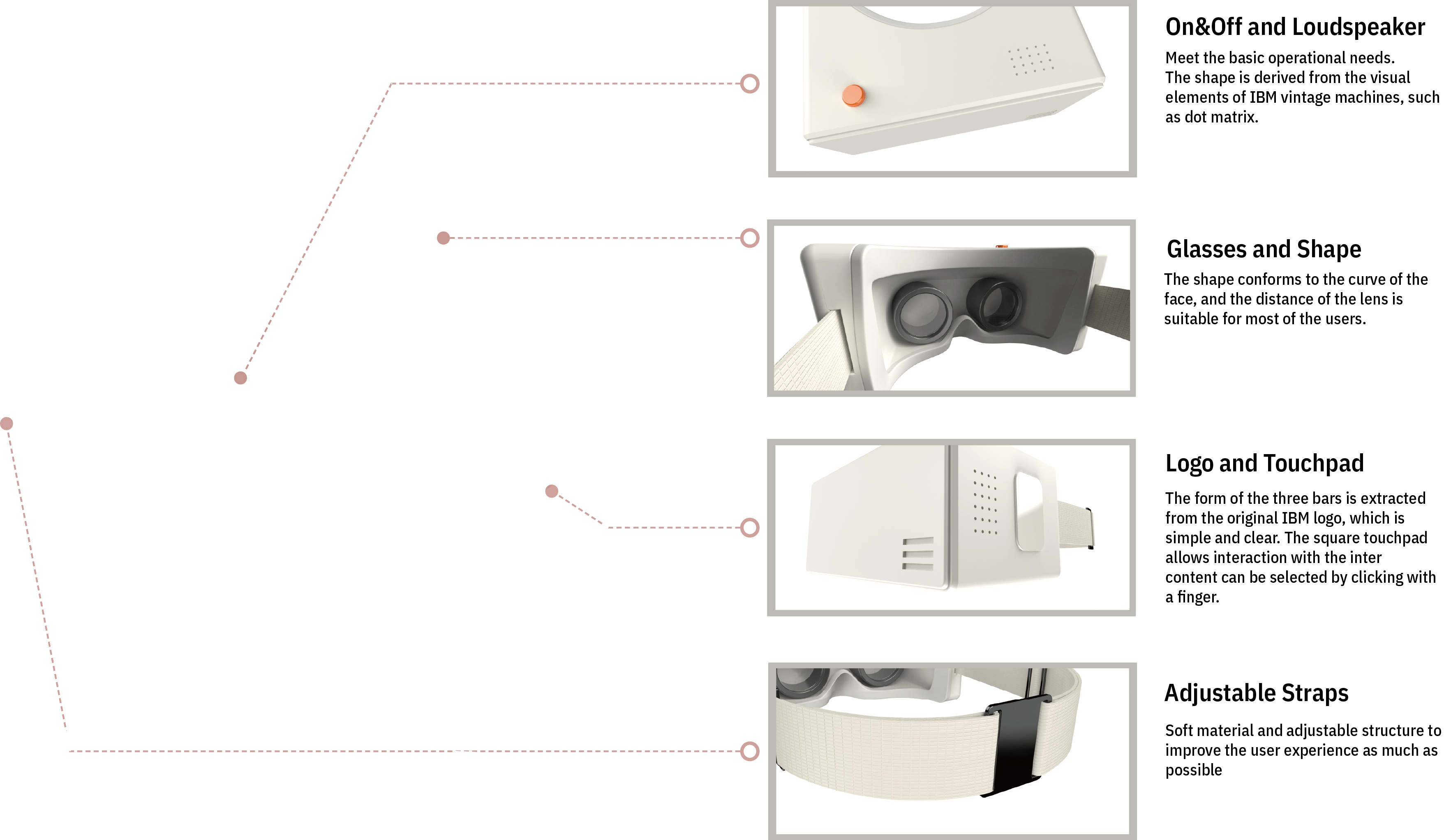
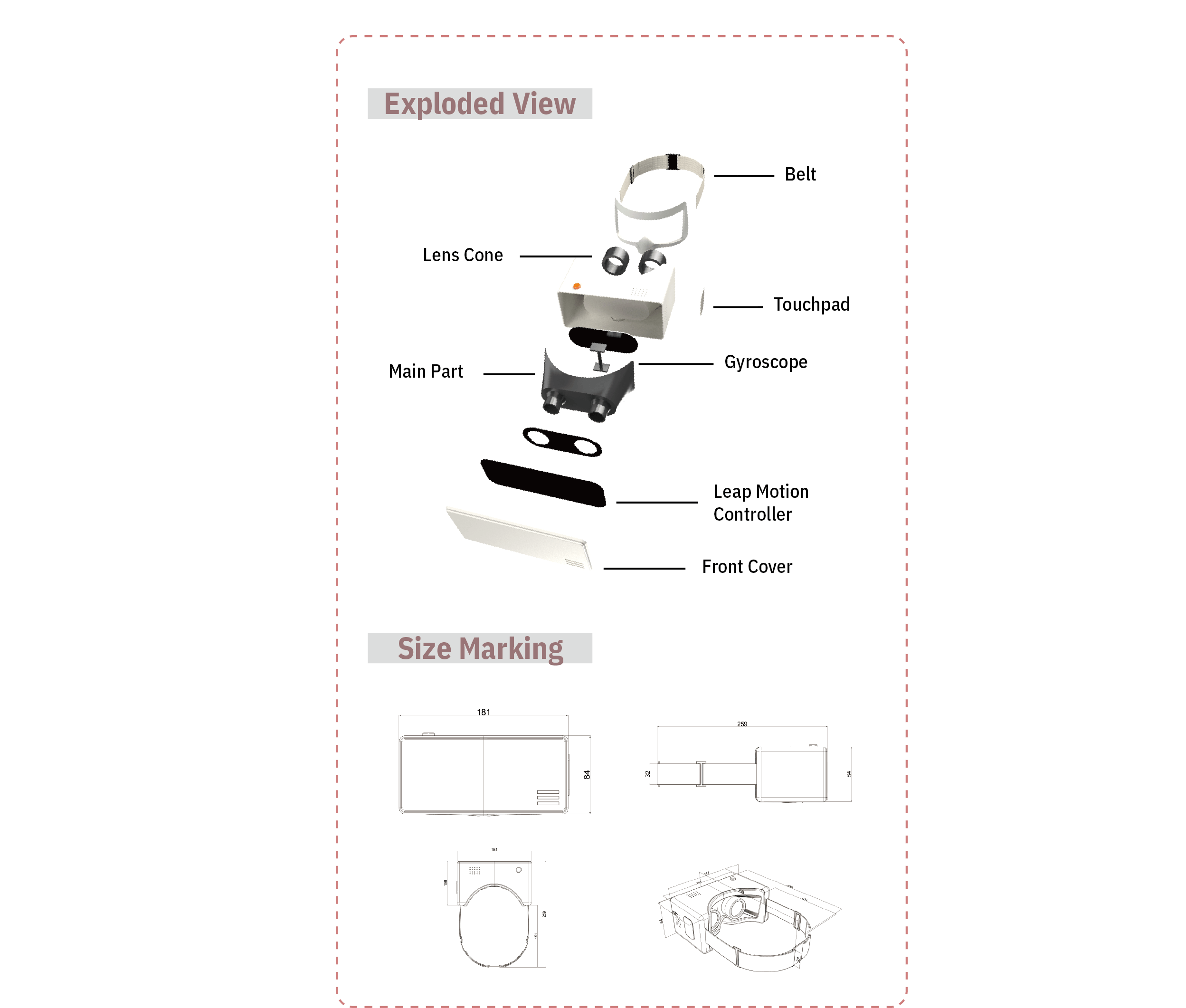
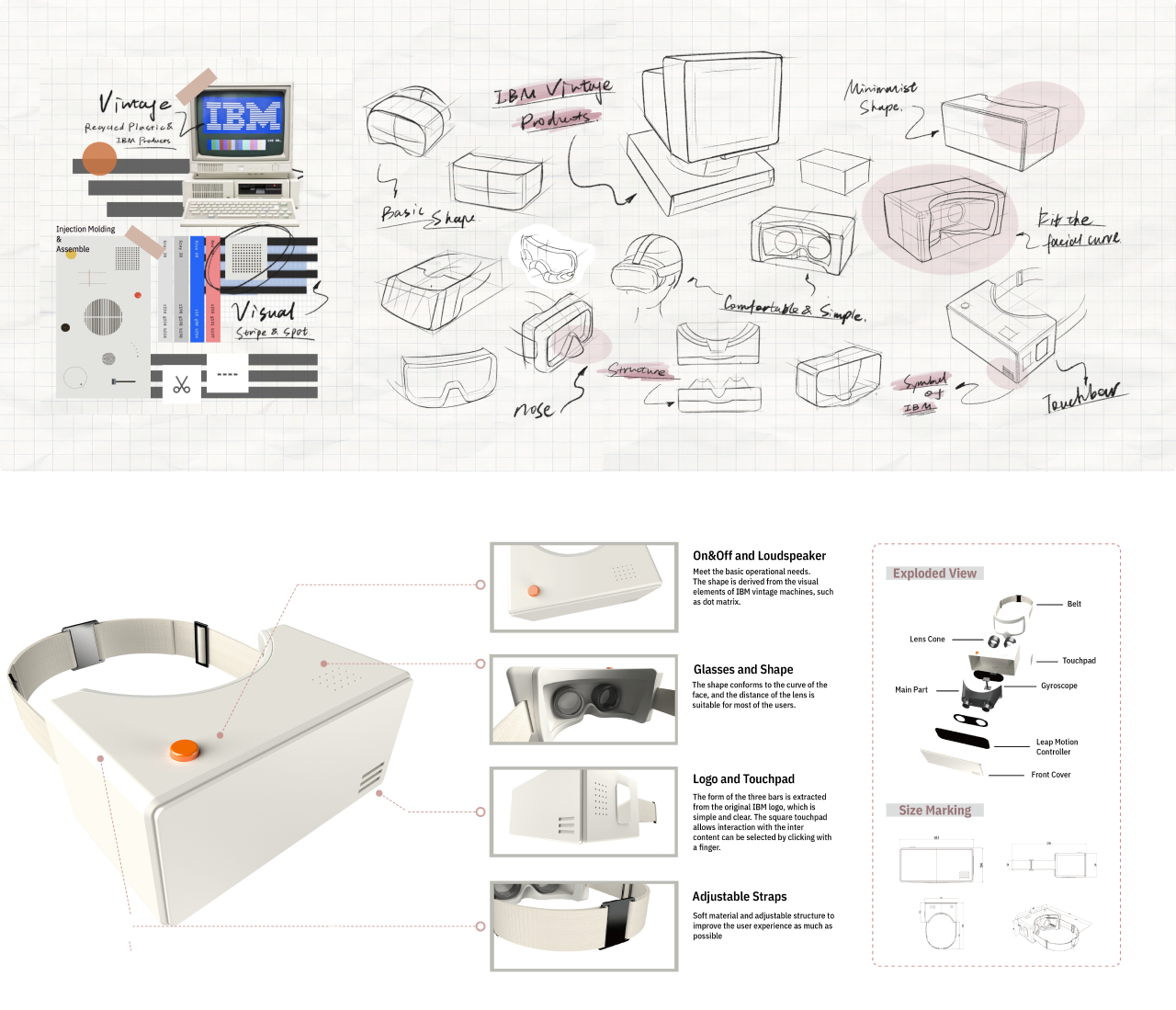
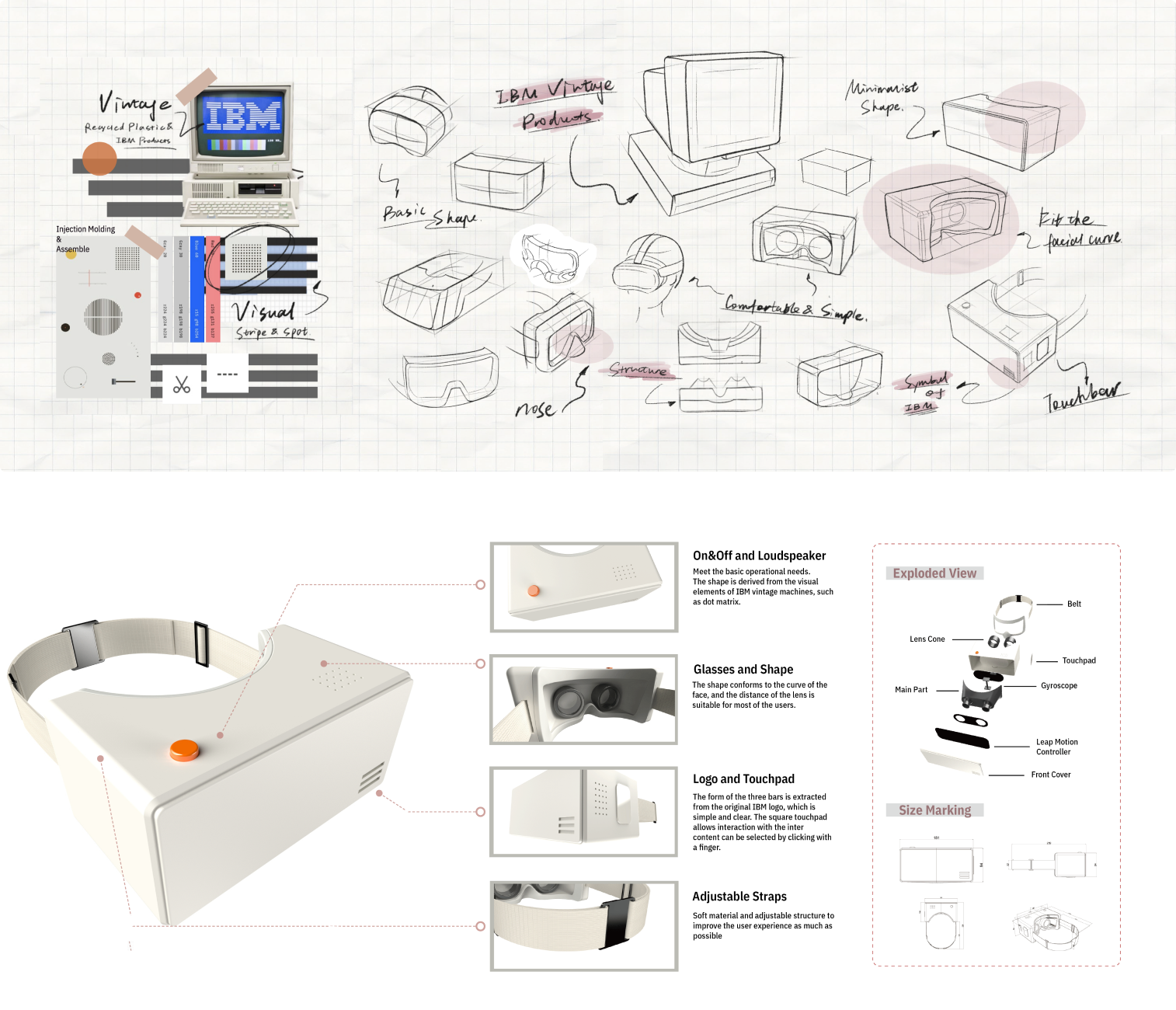
The headset design follows IBM’s visual language, with a focus on simple form and the use of recycled plastic.


Wanna know more?
This is just a part of the story, feel free to reach out if you’d like to hear more.
TAILOR-FREE
A VR-based fashion design system developed in collaboration with IBM, exploring how draping can be reimagined within a broader design ecosystem.
ROLE
Student Designer
DOMAIN
VR Design
UI/UX Design
Industrial Design
Design Research
TOOLS
Unity
Adobe AI/PS
Rhino
Keyshot
CLO 3D
TIMELINE
2022
3 months
CONTEXT
A disconnect within the fashion ecosystem
Fashion is rapidly evolving toward sustainability and digitalization, but its creative core remains unchanged. Early-stage design still relies on physical, iterative, and material-intensive processes, making waste not a side effect, but a built-in part of the system.
PROBLEM
Creation in fashion depends on disposable making
Fashion thrives on continuously creating new looks. But in practice, creation itself depends on a disposable phase. Through conversations with fashion students, one stage stood out as the most waste-intensive.
Draping is where ideas are discovered, but also where material becomes most expendable. Fabric like calico is used to explore and define form, but once the design is set, it is replaced by final garment materials. It’s essential to creation, but never part of the final outcome.
Draping as a Process of Exploration
RESEARCH
Observing Draping in Practice
I interviewed fashion students and documented their draping processes to understand how they create and where waste occurs.

When asked about alternatives, designers frequently mentioned tools like CLO3D.
Comparing Physical and Digital Workflows
CLO3D is one of the most widely used digital tools in fashion design, but it is rarely used for early-stage draping.
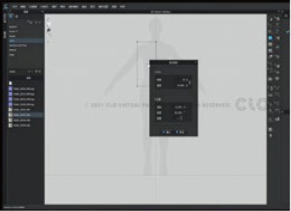
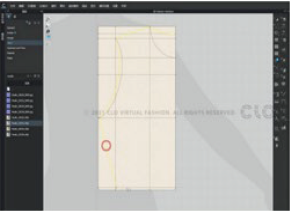
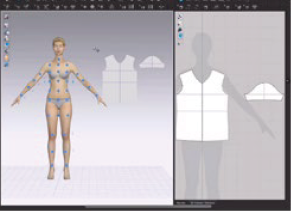
To understand why, I compared physical and digital workflows. Draping enables direct, intuitive interaction with material, while digital tools require navigating structured operations. This comparison reveals a deeper issue in how digital tools are structured for creation.


Physical Draping (Action-Based)


Cutting
Calico


Determine
Pattern


Garment
Making


Draping

The calico
pattern will not
be used again

Large amount
of leftover
trimmings
Repeated
attempts at
styling clothing

Final design
using expensive
new fabrics for
ready-to-wear

Multiple Repeat
Processes

Low Utilization
of Materials


High Fault
Tolerance

High Demand
for Materials


CLO3D Workflow (Tool-Based)
Draw 2D
Pattern
Stitch 2D
Pattern
Drag to the
3D Avatar
Edit 3D
Pattern



Complex interface and Unclear user flow
Lack of immersion and physical feedback
Deconstructing CLO3D
To better understand this gap, I deconstructed the interaction system of CLO3D, mapped out its tools, workflows, and user interactions to understand where the experience breaks down.
CLO3D Information Architecture
The system adds unnecessary complexity, with overlapping tools, repeated actions, and time-consuming workflows. Designers must adapt to it, rather than it supporting them.
INSIGHTS
Designers think through actions, but digital tools are built around tools.
Current systems require designers to adapt to interfaces, instead of supporting how they naturally create.
DESIGN DIRECTION
Instead of designing another tool, I redesigned the system around actions.
This means rethinking draping as an action-driven process, preserving its immersive nature, reducing material waste, and simplifying how designers create.
Workflow & Interface

+
Gesture Interaction

+
Immersive Environment
SOLUTION
Designing through gestures, not tools.
Draping is translated into a set of direct hand-based actions, such as grabbing, pulling, pinning, and adjusting—allowing designers to interact with fabric in a continuous and embodied way.
Within a virtual environment, these gestures enable a more natural and fluid interaction without relying on menus or tools.
From fragmented steps to a continuous flow.
The workflow is simplified and restructured around actions, reducing fragmented steps and removing the need for complex tool navigation.
User Flow
Simplified Information Architecture
Based on this structure, the interface is designed within a virtual environment, translating the workflow into a clear and spatial UI system that aligns with IBM’s design language.
Tailor-Free System Interface
Bringing back the spatial experience of draping
By placing the interaction in a virtual environment, designers can move around the form, view garments from different angles, and work in a way that mirrors physical draping. Design happens around the body, not through a screen.
IMPACT & TAKEAWAYS
🌟🌟🌟Recognized with AAA Accessibility by IBM!
The project received the highest accessibility rating, reflecting how clearly the system supports user interaction.
- Understanding How Products Work. I broke down CLO3D step by step, from its tools to how everything connects. It helped me understand how complex products are actually put together, and made my own decisions much clearer.
- Designing Within a Larger System. Working with IBM made me realize design isn’t just about one piece. It’s part of a larger system, where tools, assets, and workflows all connect.
- Exploring New Ways of Interaction. This was my first time working with VR. It brought together software, hardware, and real-time interaction, which pushed me to think more carefully about how my design actually works, whether it makes sense and whether it can be built.
Appendix — Supporting Materials
System & Technical Setup
The system is built using existing tools to support real-time gesture interaction in a virtual environment.

- System Infrastructure
Data Management
VR soft
wa
re development requires a tool
Software Development Kits (SDKs)
.
to manage all types of digital assets, and
ef
fi
ciently store iterations
- Gesture Recognition
Leap Motion
Game Development
An optical hand tracking module that
Engines
captures the movements of your hands.
+
Motion-to-photon latency below the human perception threshold
Robust and reliable skeletal model
Content Creation
- Data Management
Hardware Exploration
The headset design follows IBM’s visual language, with a focus on simple form and the use of recycled plastic.
Wanna know more?
This is just a part of the story, feel free to reach out if you’d like to hear more.
TAILOR-FREE
A VR-based fashion design system developed in collaboration with IBM, exploring how draping can be reimagined within a broader design ecosystem.
ROLE
Student Designer
DOMAIN
VR Design
UI/UX Design
Industrial Design
Design Research
TOOLS
Unity
Adobe AI/PS
Rhino
Keyshot
CLO 3D
TIMELINE
2022
3 months
CONTEXT
A disconnect within the fashion ecosystem
Fashion is rapidly evolving toward sustainability and digitalization, but its creative core remains unchanged. Early-stage design still relies on physical, iterative, and material-intensive processes, making waste not a side effect, but a built-in part of the system.
PROBLEM
Creation in fashion depends on disposable making
Fashion thrives on continuously creating new looks. But in practice, creation itself depends on a disposable phase. Through conversations with fashion students, one stage stood out as the most waste-intensive.
Draping is where ideas are discovered, but also where material becomes most expendable. Fabric like calico is used to explore and define form, but once the design is set, it is replaced by final garment materials. It’s essential to creation, but never part of the final outcome.
Draping as a Process of Exploration
RESEARCH
Observing Draping in Practice
I interviewed fashion students and documented their draping processes to understand how they create and where waste occurs.

When asked about alternatives, designers frequently mentioned tools like CLO3D.
Comparing Physical and Digital Workflows
CLO3D is one of the most widely used digital tools in fashion design, but it is rarely used for early-stage draping.
To understand why, I compared physical and digital workflows. Draping enables direct, intuitive interaction with material, while digital tools require navigating structured operations. This comparison reveals a deeper issue in how digital tools are structured for creation.


Physical Draping (Action-Based)


Cutting
Calico


Determine
Pattern


Garment
Making


Draping

The calico
pattern will not
be used again

Large amount
of leftover
trimmings
Repeated
attempts at
styling clothing

Final design
using expensive
new fabrics for
ready-to-wear

Multiple Repeat
Processes

Low Utilization
of Materials


High Fault
Tolerance

High Demand
for Materials


CLO3D Workflow (Tool-Based)
Draw 2D
Pattern
Stitch 2D
Pattern
Drag to the
3D Avatar
Edit 3D
Pattern



Complex interface and Unclear user flow
Lack of immersion and physical feedback
Deconstructing CLO3D
To better understand this gap, I deconstructed the interaction system of CLO3D, mapped out its tools, workflows, and user interactions to understand where the experience breaks down.
CLO3D Information Architecture
The system adds unnecessary complexity, with overlapping tools, repeated actions, and time-consuming workflows. Designers must adapt to it, rather than it supporting them.
INSIGHTS
Designers think through actions, but digital tools are built around tools.
Current systems require designers to adapt to interfaces, instead of supporting how they naturally create.
DESIGN DIRECTION
Instead of designing another tool, I redesigned the system around actions.
This means rethinking draping as an action-driven process, preserving its immersive nature, reducing material waste, and simplifying how designers create.
Workflow & Interface
+
Gesture Interaction
+
Immersive Environment
SOLUTION
Designing through gestures, not tools.
Draping is translated into a set of direct hand-based actions, such as grabbing, pulling, pinning, and adjusting—allowing designers to interact with fabric in a continuous and embodied way.
Within a virtual environment, these gestures enable a more natural and fluid interaction without relying on menus or tools.
From fragmented steps to a continuous flow.
The workflow is simplified and restructured around actions, reducing fragmented steps and removing the need for complex tool navigation.
User Flow
Simplified Information Architecture
Based on this structure, the interface is designed within a virtual environment, translating the workflow into a clear and spatial UI system that aligns with IBM’s design language.
Tailor-Free System Interface
Bringing back the spatial experience of draping
By placing the interaction in a virtual environment, designers can move around the form, view garments from different angles, and work in a way that mirrors physical draping. Design happens around the body, not through a screen.
IMPACT & TAKEAWAYS
- Understanding How Products Work. I broke down CLO3D step by step, from its tools to how everything connects. It helped me understand how complex products are actually put together, and made my own decisions much clearer.
- Designing Within a Larger System. Working with IBM made me realize design isn’t just about one piece. It’s part of a larger system, where tools, assets, and workflows all connect.
- Exploring New Ways of Interaction. This was my first time working with VR. It brought together software, hardware, and real-time interaction, which pushed me to think more carefully about how my design actually works, whether it makes sense and whether it can be built.
🌟🌟🌟Recognized with AAA Accessibility by IBM!
The project received the highest accessibility rating, reflecting how clearly the system supports user interaction.
Appendix — Supporting Materials
System & Technical Setup
The system is built using existing tools to support real-time gesture interaction in a virtual environment.
- System Infrastructure
Data Management
VR soft
wa
re development requires a tool
Software Development Kits (SDKs)
.
to manage all types of digital assets, and
ef
fi
ciently store iterations
- Gesture Recognition
Leap Motion
Game Development
An optical hand tracking module that
Engines
captures the movements of your hands.
+
Motion-to-photon latency below the human perception threshold
Robust and reliable skeletal model
Content Creation
- Data Management
Hardware Exploration
The headset design follows IBM’s visual language, with a focus on simple form and the use of recycled plastic.
Wanna know more?